Blackjack (formerly black colored jack otherwise nv casino vingt-un) are a casino banking game
[ one ] : 342 It is the extremely commonly played casino banking game inside the country. (more…)
Just about Cosmetics
[ one ] : 342 It is the extremely commonly played casino banking game inside the country. (more…)
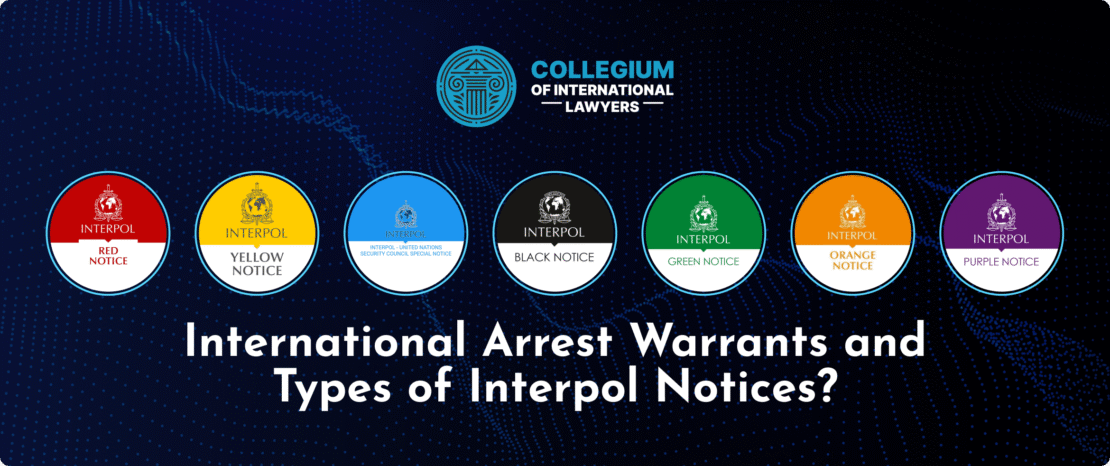
The proceso de extradición en España is a critical legal mechanism designed to facilitate cooperation among countries in the pursuit of justice. It allows for the transfer of individuals from one jurisdiction to another, where they are wanted for prosecution or to serve a sentence. This article delves into the steps, requirements, and complexities involved in the extradition process in Spain, providing a thorough understanding of its legal underpinnings and practical implications.
Extradition in Spain is governed primarily by the Spanish Constitution and various international treaties. The Constitution recognizes the principle of legality (nullum crimen, nulla poena sine lege), ensuring that no one can be extradited for actions not considered a crime in Spain. The key legislation includes:
The extradition request process is initiated when a foreign government submits a formal request to the Spanish authorities, seeking the extradition of an individual. This process involves several key steps:
There are specific grounds on which Spain may deny an extradition request. These include:

The Spanish judiciary plays a crucial role in the extradition process. The magistrates review each case carefully, considering both the legal arguments presented and the potential implications for the individual involved. The judiciary’s commitment to upholding human rights standards is paramount, and judges may conduct hearings to allow for legal representation and the submission of counter-arguments by the individual facing extradition.
The introduction of the European Arrest Warrant (EAW) has significantly streamlined the extradition process between EU member states. This framework allows for quicker and more efficient transfers of individuals accused of serious crimes within the EU. Key features of the EAW include:
Despite the structured framework, the extradition process in Spain is not without its challenges and controversies. Some of the most notable issues include:
The extradition process in Spain exemplifies the interplay between legal obligation and individual rights. While it serves to uphold international justice, constant vigilance is required to ensure that the rights of individuals are respected throughout the process. As global interconnectedness continues to grow, the mechanisms for extradition must also evolve, adapting to new challenges while maintaining the rule of law and safeguarding human rights.
Ever bought products online and the price seem too good to be true. In todays market counterfeits are not only getting produced in designer brands such as Gucci and Jimmy Choo. Replica items are getting made from every product imaginable. Everybody loves to save a penny or two but when buying products that can harm the exterior of your body. Is it really worth taking the chance? The beauty industry is rife with counterfeits. You will find these cheap branded fakes in everything from mascara, lipstick, lip gloss, blusher, foundation, moisturizers, perfume and many more.
According to the Vietnam Standard and Consumer Association (Vinastas) about 60% of consumers buy counterfeit goods without realizing they are black market products
Brands most affected by these fraudsters are famous brand names. These goods are produced in mass quantities in countries such as China because of the the cheap labour. The items can be produced at a very fast speed. Ten times faster than 10 years ago. Allowing them to hit our streets at the same time as the genuine merchandise.
Why you should not waste your money buying? The items have not been safety checked; this gives us minimal information where the item has been made and the ingredients added. The harmful reactions can leave your skin looking aged and permanently damaged, scarred in some cases.
Where does the money go? To illegal operations all over the world, fact has shown money is used to help fund terrorist groups and shady operations.
Who is responsible? Manufacturers and the countries legal system: Most businesses are not making people aware that these products are out there. There is never anything shown on advertisements or websites of the legal items that make the consumer aware that there product is being falsely used. Also, fines and prison sentences for people producing counterfeit products are not heavy enough making the countrys legal system very much to blame.
Today it is a lot harder to distinguish between the real thing and the copy. Counterfeits are getting harder to spot. Long gone are the times when you went to Spain and seen products with typing errors and badly transferred prints. The operators of these operations are getting more sophisticated. Packaging is in most cases identical. The detail on the products there selfs are hard to distinguish between.
If you really want to save some money with skin care and makeup, beware when youre buying on eBay as about 50 – 70% of the products are counterfeit. Always check feedback and be really cautious. Send the seller a message and ask were they are buying their products? Ask if it is from a licensed wholesaler. Beware of anyone who is buying direct from China with products such as Mac, Benefit, Nars and Bobbi brown as these are the most copied beauty products on the market. If you find the latest products 50% -75% less than the shop price. Always check what the item looks like on the manufacturers sites and compare.